


Try from memory
Answer before you look. The first attempt is the observation, not the result.
Open the deckTry the answer before you reveal it. Then compare what you remembered with the reference.
Reveal a referencePractical guides for writing better questions, checking your own answers and keeping an honest record of practice. Start with a small deck. Notice what happens next.
Read the field notesA small loop / four moves
Answer before you look. The first attempt is the observation, not the result.
Open the deck
Put the reference next to the attempt. Name the gap without turning it into a verdict.
Open the deck
Pick one thing to carry into the next pass. Leave the rest for another day.
See the notes
Export the attempt and the note you want to keep. A record makes the next practice easier to start.
Open the deckQuarterly results from four major AI competitors show capital spending still climbing with no disclosed timeline for when it pays off.
The design software company's own framing of the move as role changes, not just layoffs, deserves scrutiny before it sets the terms of coverage.
A single line in a securities filing is doing a lot of work, and practitioners should know what it does and does not confirm before treating it as a forecast.
A procedural ruling keeps a Clean Air Act case alive, which is not the same as a finding that xAI violated the law.
A Financial Times report says OpenAI trimmed its fundraising goal during a broader selloff, and what counts as a firm number here is thinner than the headline suggests.
A new vulnerability count in AI developer tooling leaves two major vendors with open flaws, and that gap is what teams should check before trusting these tools in their pipelines.
A removal without a public explanation leaves election officials and AI vendors with no shared record of what was wrong and what was fixed.
A TechCrunch report frames grid stress from AI data centers as an opening for modernization, but the claim comes from industry insiders, not a grid operator's own measurement.
A single disclosure line in Anthropic's IPO filing turns a climate talking point into a line item investors and energy planners now have to price.
A refreshed market snapshot repeats a familiar ranking, but the method behind that ranking matters more than the result.
Quarterly results from four major AI competitors show capital spending still climbing with no disclosed timeline for when it pays off.
The design software company's own framing of the move as role changes, not just layoffs, deserves scrutiny before it sets the terms of coverage.
A single line in a securities filing is doing a lot of work, and practitioners should know what it does and does not confirm before treating it as a forecast.
A procedural ruling keeps a Clean Air Act case alive, which is not the same as a finding that xAI violated the law.
A Financial Times report says OpenAI trimmed its fundraising goal during a broader selloff, and what counts as a firm number here is thinner than the headline suggests.
A new vulnerability count in AI developer tooling leaves two major vendors with open flaws, and that gap is what teams should check before trusting these tools in their pipelines.
A removal without a public explanation leaves election officials and AI vendors with no shared record of what was wrong and what was fixed.
A TechCrunch report frames grid stress from AI data centers as an opening for modernization, but the claim comes from industry insiders, not a grid operator's own measurement.
A single disclosure line in Anthropic's IPO filing turns a climate talking point into a line item investors and energy planners now have to price.
A refreshed market snapshot repeats a familiar ranking, but the method behind that ranking matters more than the result.
The practice cast
Practice gets easier when the parts are named. Borrow one of these voices for the next pass, then put it back on the shelf.
Meet them in the notes
Asks for the answer before the reference appears. Starts the loop with what you already carry.

Holds the standard steady while you compare. Names the gap without turning it into a verdict.

Picks one thing worth another pass. Leaves the rest for a day when it can get your attention.

Keeps the attempt and the note you want to keep. Makes the next practice easier to begin.
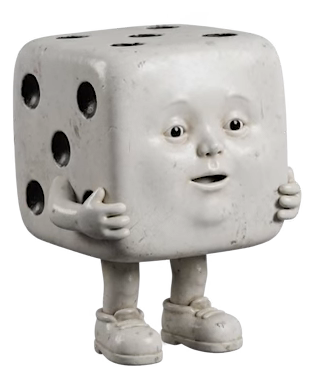
Makes another attempt feel cheap. A small pass is allowed to be small.

Shows the difference between the attempt and the reference. Does not turn it into a score.